Description
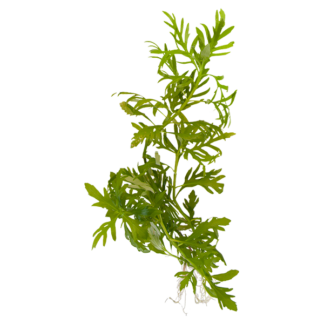
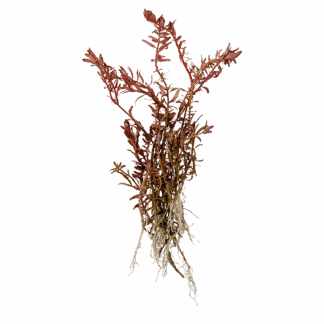
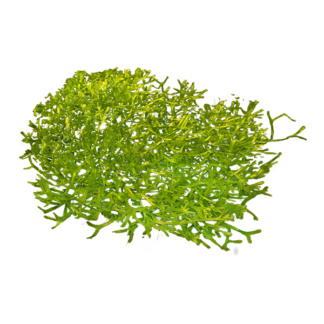
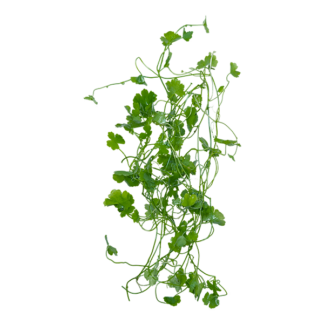
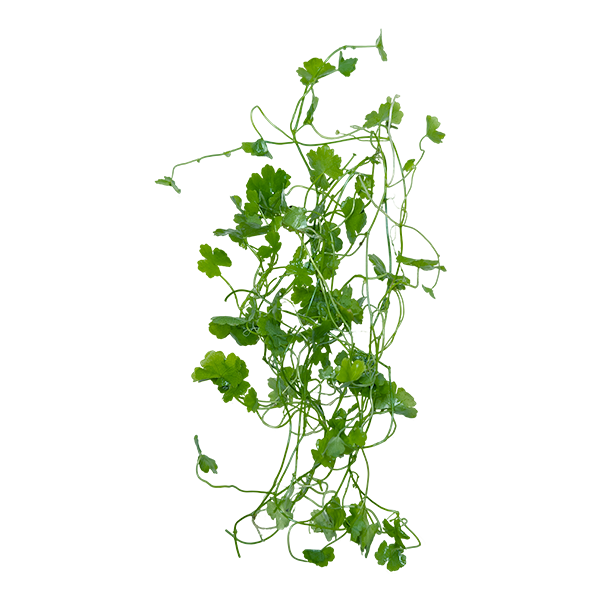
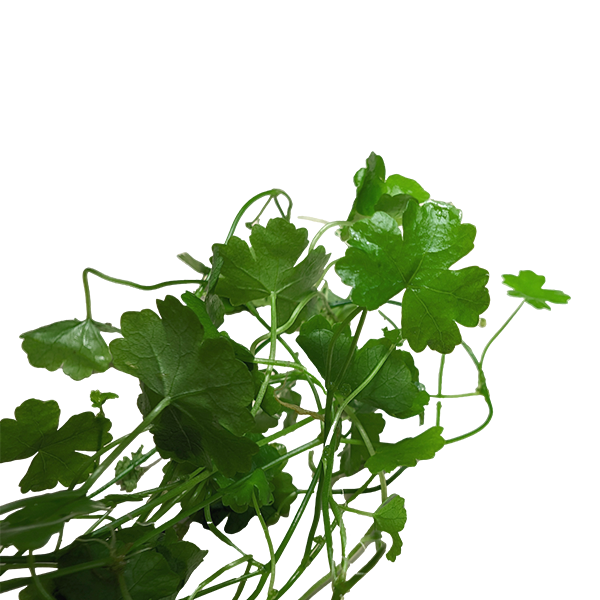
Known by various names including Japanese Pennywort and Australian Hydrocotyle, Hydrocotyle tripartita is a vigorous and versatile aquatic plant popular in planted aquariums. Native to Southeast Asia and Australia, it typically grows in shallow, slow-moving waters, forming dense mats. Its distinctive small, three-lobed leaves give it a charming clover-like appearance. Prized for its rapid growth and ability to carpet the foreground or trail through the midground, it’s a favorite for aquascapers looking for dynamic ground cover.
Care
Hydrocotyle tripartita thrives with moderate to high lighting and benefits greatly from CO2 supplementation, though it can grow without it. Maintain water temperatures between 20-28°C (optimum 22-26°C) and a slightly acidic to neutral pH (6.0-7.5). Preferring moderately soft to slightly hard water (dKH 2-10, dGH 2-12), it benefits from a nutrient-rich substrate or regular liquid fertilization. Gentle water flow is recommended.
Propagation
Propagation is primarily achieved through stem cuttings and runners. Simply trim healthy stems or runners that have developed nodes and plant them directly into the substrate, ensuring at least one node is buried. Mature clumps can also be divided carefully. Providing good light, nutrients, and CO2 will significantly increase the success rate of propagation.
Trimming
Regular and frequent trimming is crucial for managing Hydrocotyle tripartita’s rapid growth and maintaining the desired shape, especially when used as a carpet. Simply trim stems and remove any old or damaged leaves. Trimming new vertical growth encourages the plant to spread horizontally and become bushier. Utilizing high light and CO2 along with trimming helps keep the growth low and dense.
Notes, Tips, and Considerations
- Its fast growth necessitates regular trimming to prevent it from overwhelming the tank or shading slower-growing plants.
- Pale or yellowing leaves can indicate nutrient deficiencies, highlighting the need for adequate fertilization.
- Like many carpeting plants, it can be susceptible to algae growth if water parameters and light/CO2 balance are not maintained.
- The plant may experience some melting when moved or replanted, although cuttings are generally more resilient.
- While generally hardy, it can be prone to rot or fungal infections in poor conditions, and snails may occasionally feed on it.
- Growing it emersed is possible if high humidity is provided, making it suitable for paludariums and terrariums.
- It is known to help filter water by absorbing excess nutrients.
- It provides excellent shelter for fish and invertebrates.
- A smaller variant, Hydrocotyle tripartita ‘Mini’, is available and better suited for nano tanks.
- Choosing tissue culture plants is a good way to ensure you start with pest and disease-free specimens.
Origin
- Regions
- Asia, South, East
- Japan, China, India
- Australia, East, South
- Australia
- Asia, South, East
- Habitat: river, wetland, marsh, swamp
- Water Type: freshwater
- Water Depth: 0.1 – 1 m
- Water Flow: slow
- Light: medium, high
- Temperature: 20 – 28 °C
- Humidity: high
- Substrate: sand, soil, bare
Closing
Whether you aim for a lush carpet, a midground accent, or a unique floating element, Hydrocotyle tripartita offers dynamic growth and beautiful foliage, making it a rewarding addition to most freshwater aquariums. Its ease of propagation and fast growth make it a joy to work with.